
By Unionists Editorial Team, Thought Leadership
Precision farming, smart greenhouses and robotics are changing how food is grown. A practical look at where AI helps farmers today and what it takes to get started.
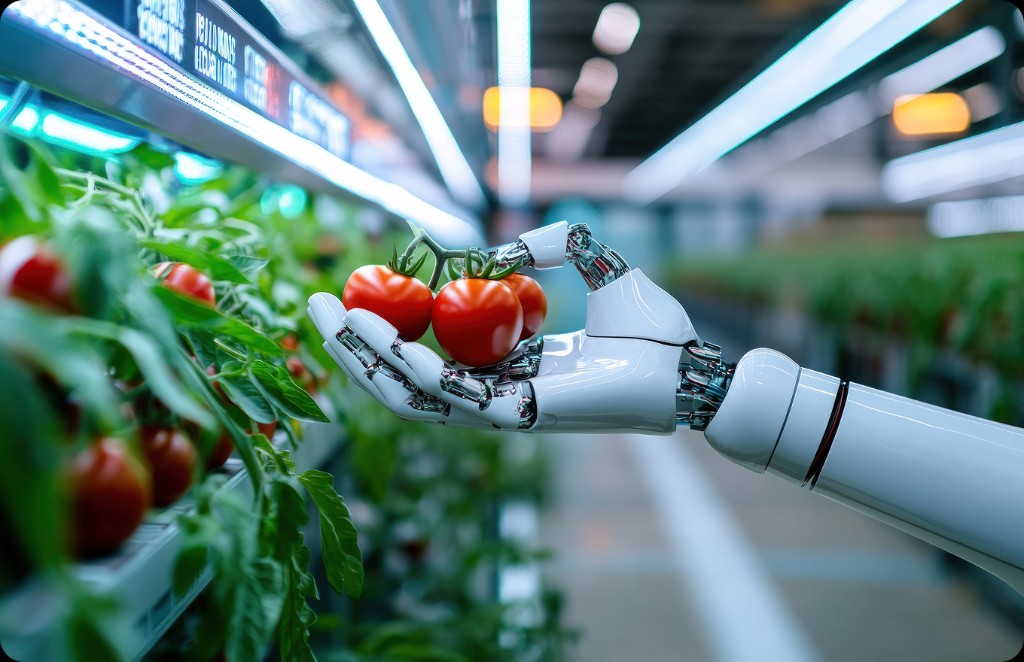
Agriculture has always depended on reading the land, the weather and the crop. What is changing is how much information farmers can now collect, and how quickly they can turn it into decisions.
Where AI helps today
- Soil and moisture sensors that show exactly where and when to irrigate
- Drone and satellite images that spot disease or pests before they spread
- Yield forecasts that help growers and buyers plan harvests and sales
- Climate control in greenhouses that adjusts light, heat and humidity automatically
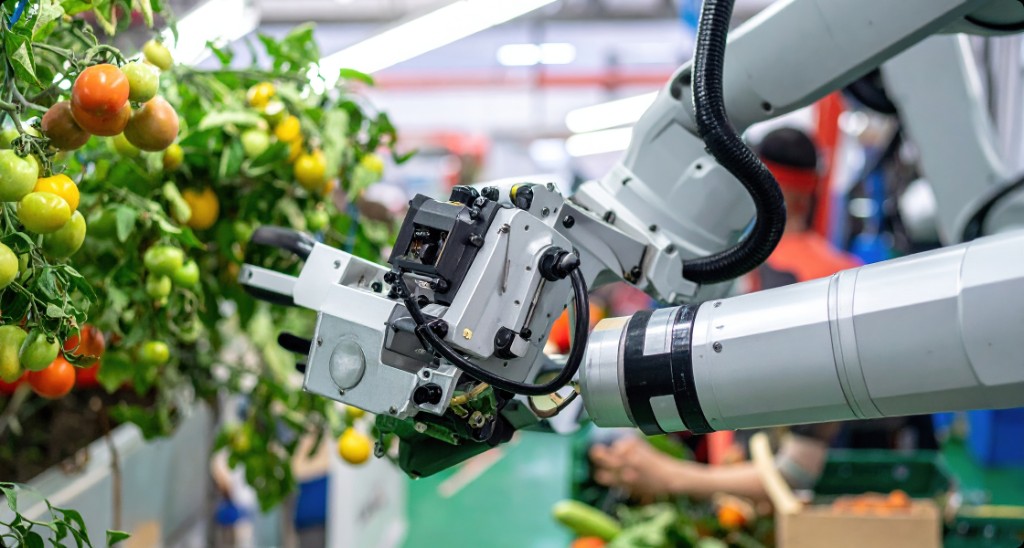
- Robotic picking and handling that eases the pressure of seasonal labour shortages
Precision instead of averages
Traditional farming treats a whole field the same way: the same water, the same fertiliser, the same timing. Precision agriculture treats each part of the field according to what it needs. The result is less water and fewer inputs for the same or better harvest, which is good for both the farmer's margin and the environment.
“The best technology on a farm is the one that saves the grower time and gives the crop exactly what it needs.”
Getting started
- Start with one clear problem, such as water use or disease detection.
- Collect reliable data for a full season before automating decisions.
- Work with partners who understand both the technology and the crop.
- Scale what works, field by field.
Through our AI & Innovation Lab, Unionists Group is exploring how these tools can support the growers in our network, so that better farming leads to better supply for markets around the world.