
By Unionists Editorial Team, Thought Leadership
How artificial intelligence is changing the way food moves from farm to shelf: fewer delays, less waste and supply chains that see problems before they happen.
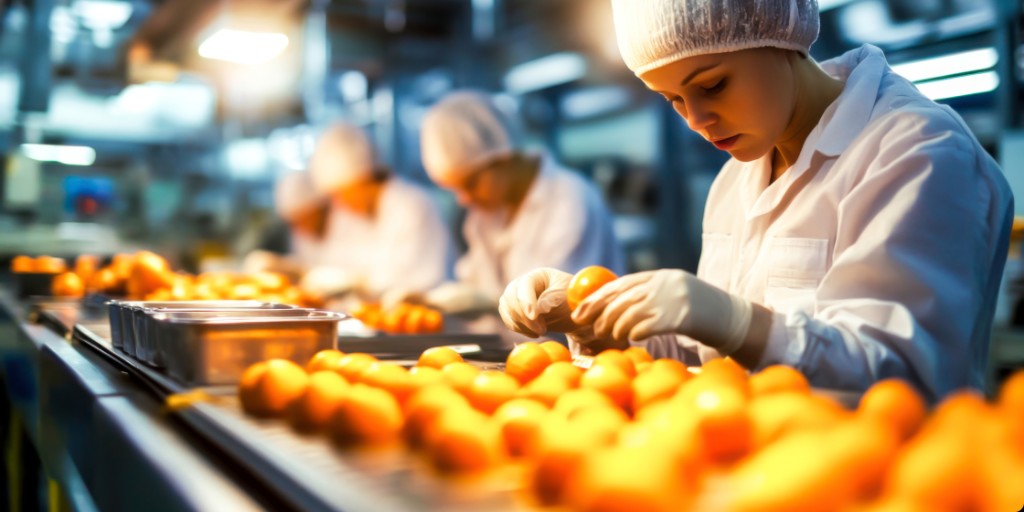
Food is one of the hardest products to move around the world. It is perishable, seasonal and sensitive to temperature, and it crosses borders with strict quality and safety rules. A delay of a few days that would not matter for most goods can turn a shipment of fresh produce into waste.
For decades the industry managed this with experience, buffers and paperwork. Today, artificial intelligence and automation give logistics teams something new: the ability to see what is happening across the whole chain, and to act before small problems become expensive ones.
From reacting to predicting
Traditional logistics reacts. A container is late, a warehouse is full, a temperature alarm goes off, and someone starts making phone calls. AI-driven logistics predicts. By combining shipping schedules, weather data, port congestion, historical demand and live sensor readings, forecasting models can flag a likely delay days in advance and suggest another route, carrier or hub.
- Demand forecasting that matches harvests and production to what markets will actually buy
- Route optimisation that weighs cost, transit time and the shelf life of each product
- Cold-chain monitoring with sensors that report temperature and humidity in real time
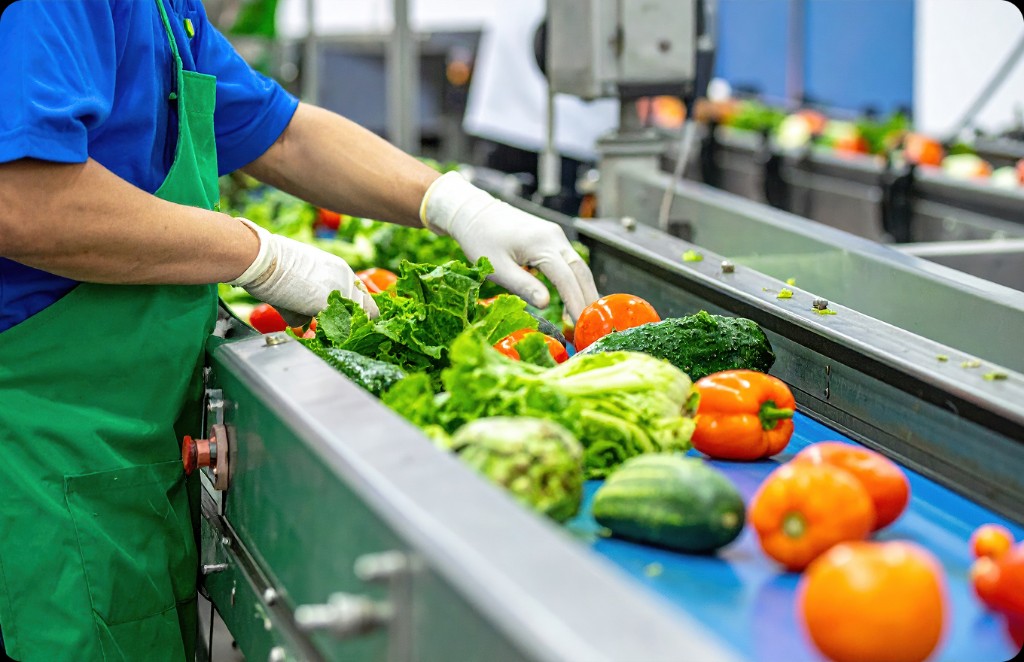
- Automated sorting and grading lines that check quality consistently at high speed
Less waste, more trust
Every tonne of food that spoils on the way is lost twice: once as food, and again as the water, energy and labour that went into producing it. Better forecasts and faster decisions reduce that loss. They also build trust with partners, because buyers get consistent quality and reliable delivery dates, and suppliers get paid for what they ship instead of what arrives.
“The goal of AI in logistics is not to replace people. It is to give the people who run the supply chain a clearer view, earlier.”
What comes next
The next step is connecting these systems end to end: traceability from the field to the final customer, shared data between producers, carriers and buyers, and automated warehouses that plan their own capacity. Unionists Group is investing in AI-powered logistics hubs so that our partners can trade with more speed, more certainty and less waste.